

Walking thoughts with Alex – reflections on what’s happening in Denver
March 10, 2026
Walking thoughts with Alex – reflections on what’s happening in Denver
March 10, 2026
Why do all new apartment buildings look like ~that~ ?
For this inaugural edition of Walk Thoughts I couldn’t escape the question, Why do Denver’s new residential buildings look like that? You probably know what I mean, multiple exterior materials, loud colors, unapproachable curb appeal. It seems that developers can’t decide on one or two tasteful exterior finish materials, so they just use them all!! I’m seeing red brick, then brown brick, white brick, glass brick, wood siding, vinyl siding, fiber cement, stucco, and metal panels all on one building. It’s not just the myriad of materials that irks me, it’s the accompanying equally diverse color palette. You know what would go well with soothing earth tones? Lime green accents and bright orange window frames.
Denver is beautiful but it’s not one of those cities known for its unique architectural identity. Denver is a mishmash of neighborhoods ranging from ornate 1800s Victorian homes in Baker and Cap Hill, to opulent gold-rush-era bank buildings on 17th, iconic red brick blocks in LoDo, brutalist concrete behemoths from the 1950s, glass and cement skyscrapers rising from urban renewal in the 60s, mid-mod and art deco apartment buildings from the 70s and 80s, and old industrial warehouses repurposed in the 90s and 2000s. Each neighborhood has its own architectural story, but the legacy of the 2020s will be plagued by cheap and soulless “gentrification buildings”. This unfortunate era is not unique to Denver, and it is driven by rising construction costs nationwide, and a desperate need for denser housing throughout the state.
I am a strong supporter of denser housing, walkable neighborhoods, affordable apartments, and efficient building designs… but does it have to be so hideous?? I get that building costs have skyrocketed and Denver’s permitting processes are painful, I just wish developers would try harder to blend in with the existing neighborhood aesthetics. I lived in East Colfax for two years and during my short residency I witnessed the destruction of the neighborhoods character… one by one the old brick bungalows were snatched up by developers, scraped down to the dirt lot, and then mutated into despicable slot homes and overpriced townhouses. The now-outlawed slot home was designed to cram as many individual street addresses into one single family lot, devoid of curb appeal and approach-ability. Every block is now peppered with each developers singular vision of what they think the average tenant or buyer will like. When the construction dust finally settles, the new residents will live in a neighborhood devoid of character, charm, and identity.
Neighborhood turnover is not unique to Denver, and neither are the driving forces behind it. Denver’s population grew rapidly in the 2010s and then became one of the most popular “Covid Haven” cities during the pandemic. Rents skyrocketed as newcomers moved in, and the city needed more housing to keep up with demand, and needed it quickly. Developers all over the country saw opportunity to make a quick buck and this was the result. Building costs increased nationwide due to supply chain issues, so they had to simplify design and diversify materials. It seems too straightforward to make sense, but that is because these shortsighted decisions leave us with longterm eyesores.
Buying your first home in Denver is an exciting milestone, but it can also be overwhelming in our competitive market. As both a Realtor and General Contractor who's helped countless [...]

Kitchen renovations consistently rank as one of the most popular and valuable home improvement projects, and for good reason. A well-executed kitchen remodel can transform your daily living experience while [...]

Fixer-uppers can be fantastic opportunities to build equity and create your dream home at a lower entry price. As both a General Contractor and Realtor in Denver, I've helped countless [...]
Why do all new apartment buildings look like ~that~ ?
For this inaugural edition of Walk Thoughts I couldn’t escape the question, Why do Denver’s new residential buildings look like that? You probably know what I mean, multiple exterior materials, loud colors, unapproachable curb appeal. It seems that developers can’t decide on one or two tasteful exterior finish materials, so they just use them all!! I’m seeing red brick, then brown brick, white brick, glass brick, wood siding, vinyl siding, fiber cement, stucco, and metal panels all on one building. It’s not just the myriad of materials that irks me, it’s the accompanying equally diverse color palette. You know what would go well with soothing earth tones? Lime green accents and bright orange window frames.
Denver is beautiful but it’s not one of those cities known for its unique architectural identity. Denver is a mishmash of neighborhoods ranging from ornate 1800s Victorian homes in Baker and Cap Hill, to opulent gold-rush-era bank buildings on 17th, iconic red brick blocks in LoDo, brutalist concrete behemoths from the 1950s, glass and cement skyscrapers rising from urban renewal in the 60s, mid-mod and art deco apartment buildings from the 70s and 80s, and old industrial warehouses repurposed in the 90s and 2000s. Each neighborhood has its own architectural story, but the legacy of the 2020s will be plagued by cheap and soulless “gentrification buildings”. This unfortunate era is not unique to Denver, and it is driven by rising construction costs nationwide, and a desperate need for denser housing throughout the state.
I am a strong supporter of denser housing, walkable neighborhoods, affordable apartments, and efficient building designs… but does it have to be so hideous?? I get that building costs have skyrocketed and Denver’s permitting processes are painful, I just wish developers would try harder to blend in with the existing neighborhood aesthetics. I lived in East Colfax for two years and during my short residency I witnessed the destruction of the neighborhoods character… one by one the old brick bungalows were snatched up by developers, scraped down to the dirt lot, and then mutated into despicable slot homes and overpriced townhouses. The now-outlawed slot home was designed to cram as many individual street addresses into one single family lot, devoid of curb appeal and approach-ability. Every block is now peppered with each developers singular vision of what they think the average tenant or buyer will like. When the construction dust finally settles, the new residents will live in a neighborhood devoid of character, charm, and identity.
Neighborhood turnover is not unique to Denver, and neither are the driving forces behind it. Denver’s population grew rapidly in the 2010s and then became one of the most popular “Covid Haven” cities during the pandemic. Rents skyrocketed as newcomers moved in, and the city needed more housing to keep up with demand, and needed it quickly. Developers all over the country saw opportunity to make a quick buck and this was the result. Building costs increased nationwide due to supply chain issues, so they had to simplify design and diversify materials. It seems too straightforward to make sense, but that is because these shortsighted decisions leave us with longterm eyesores.
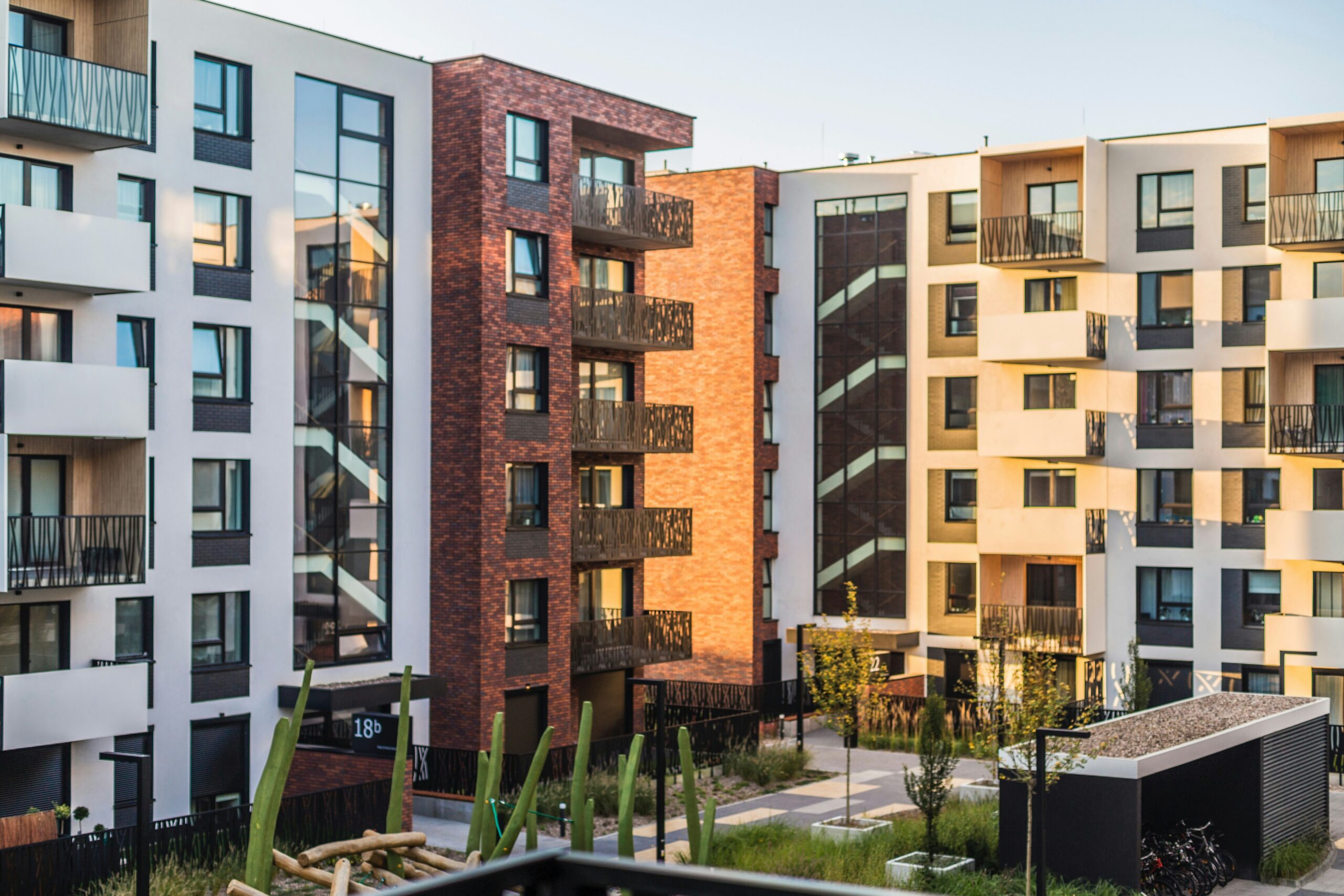
Why do all new apartment buildings look like ~that~ ? For this inaugural edition of Walk Thoughts I couldn’t escape the question, Why do Denver’s new residential buildings look like [...]
Buying your first home in Denver is an exciting milestone, but it can also be overwhelming in our competitive market. As both a Realtor and General Contractor who's helped countless [...]
Kitchen renovations consistently rank as one of the most popular and valuable home improvement projects, and for good reason. A well-executed kitchen remodel can transform your daily living experience while [...]